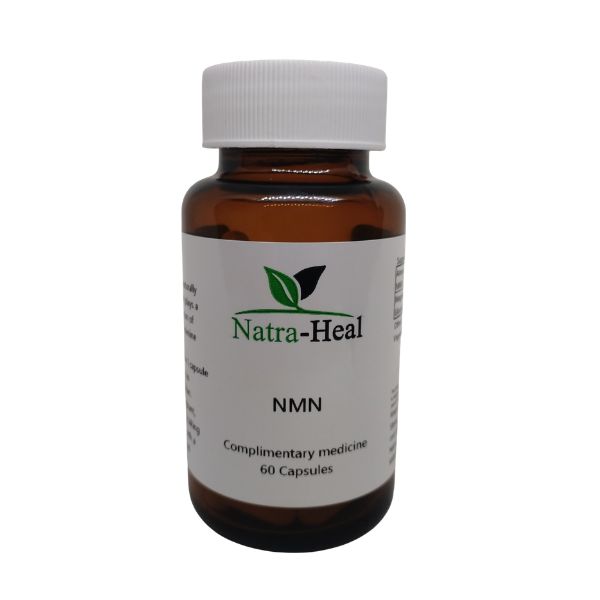
Amount Per Serving:
NMN – 554mg
Magnesium Glycinate – 130mg
NMN: How It Works and Why It Matters for Energy, Ageing, and Cellular Health
In recent years, NMN (nicotinamide mononucleotide) has gained significant attention in the fields of longevity science, metabolic health, and preventative wellness. Researchers are increasingly interested in NMN because of its ability to support one of the body’s most important biological molecules — NAD⁺ (nicotinamide adenine dinucleotide).
Understanding how NMN works requires understanding NAD⁺ and its central role in human health.
What Is NMN?
NMN is a naturally occurring molecule found in small amounts in foods such as broccoli, avocado, cabbage, and edamame. More importantly, it is produced inside the human body as part of the vitamin B3 metabolic pathway.
NMN serves as a direct precursor to NAD⁺, meaning the body converts NMN into NAD⁺ inside cells.
NAD⁺ is essential for life. It is required for:
- Cellular energy production
- Mitochondrial function
- DNA repair
- Metabolic regulation
- Brain health
- Cardiovascular function
- Inflammation control
- Longevity pathways
However, NAD⁺ levels decline significantly with age, beginning as early as the mid-30s to 40s. This decline is associated with fatigue, metabolic dysfunction, increased inflammation, and age-related diseases.
Supplementing with NMN aims to restore NAD⁺ levels and support healthy ageing at the cellular level.
How NMN Works in the Body
After oral consumption, NMN is absorbed into the bloodstream and transported into cells, where it is rapidly converted into NAD⁺ through natural enzymatic pathways.
Once NAD⁺ levels rise, several critical biological systems become more efficient.
The primary mechanisms include:
1. Cellular Energy and Mitochondrial Function
Mitochondria are the energy-producing structures inside cells. NAD⁺ is required to convert nutrients into ATP, the body’s energy currency.
As NAD⁺ declines with age, mitochondrial efficiency decreases, often leading to fatigue, reduced stamina, and slower recovery.
By increasing NAD⁺ availability, NMN may help support:
- Energy production
- Physical endurance
- Muscle performance
- Cellular vitality
2. Activation of Longevity Pathways (Sirtuins)
NMN indirectly activates proteins called sirtuins by increasing NAD⁺ levels.
Sirtuins regulate:
- Ageing processes
- Inflammation control
- Fat metabolism
- Stress resistance
- Cellular repair
- Brain protection
These pathways are also activated by exercise and calorie restriction, which helps explain why NMN is often studied in longevity research.
3. DNA Repair and Cellular Protection
Every day, DNA experiences damage from environmental toxins, stress, radiation, and normal metabolism.
NAD⁺ fuels enzymes called PARPs that repair DNA damage.
Adequate NAD⁺ levels help maintain genomic stability and cellular health, which are essential components of healthy ageing.
4. Metabolic Health and Insulin Sensitivity
Research suggests NMN may support metabolic function by improving insulin sensitivity and glucose utilization.
This has led to interest in NMN for:
- Prediabetes and Type 2 diabetes support
- Weight management programs
- Fatty liver prevention
- Cardiometabolic health
5. Brain and Cardiovascular Support
NAD⁺ plays an important role in both neurological and cardiovascular function.
Emerging research suggests NMN may help support:
- Cognitive function
- Memory pathways
- Blood vessel health
- Circulation
- Endothelial function
These areas remain active topics of scientific investigation.
Why NAD⁺ Declines With Age
Several factors contribute to declining NAD⁺ levels:
- Chronic inflammation
- Oxidative stress
- Poor sleep
- Psychological stress
- Toxin exposure
- Alcohol intake
- Sedentary lifestyle
- Reduced enzyme efficiency with ageing
Restoring NAD⁺ is considered a promising strategy for supporting healthy ageing and resilience.
Potential Benefits of NMN Supplementation
While individual responses vary, commonly reported benefits include:
- Improved energy levels
- Enhanced mental clarity
- Better exercise tolerance
- Metabolic support
- Reduced fatigue
- Healthy ageing support
- Improved recovery
- Cardiovascular support
It is important to note that research is ongoing, and NMN is not intended to diagnose, treat, cure, or prevent disease.
Factors That Enhance NMN Effectiveness
Lifestyle choices significantly influence NAD⁺ metabolism. NMN works best when combined with:
- Regular physical activity
- Adequate sleep
- Balanced nutrition
- Stress management
- Sunlight exposure
- Polyphenol-rich foods (such as berries and green tea)
These strategies activate similar biological pathways and may enhance outcomes.
Safety and Tolerability
Current human studies suggest NMN is generally well tolerated when used within recommended ranges. Mild side effects may occasionally include digestive discomfort, headache, or sleep disturbance if taken late in the day.
Individuals who are pregnant, breastfeeding, undergoing cancer treatment, or managing complex medical conditions should consult a qualified healthcare professional before use.
Conclusion
NMN represents a promising advancement in nutritional science by targeting one of the fundamental mechanisms of ageing — declining NAD⁺ levels.
By supporting cellular energy production, DNA repair, metabolic health, and longevity pathways, NMN may play a valuable role in comprehensive wellness strategies aimed at healthy ageing and vitality.
As research continues to evolve, NMN remains an exciting area of study within preventative and functional medicine.
Disclaimer:
This information is provided for educational purposes only and does not constitute medical advice. Supplements should be used under the guidance of a qualified healthcare professional, particularly for individuals with medical conditions or those taking medication.


Reviews
There are no reviews yet.