

Vestibular hyposensitivity (reduced sensitivity of the balance/inner ear system). This condition often shows up as clumsiness, poor coordination, delayed balance reactions, or seeking intense movement input.
Symptoms:
- Decreased Awareness of Body Position: Difficulty sensing the position of the body, making it hard to adjust movement accordingly.
- Difficulty with Balance: Struggling to maintain stability while standing or walking, especially on uneven surfaces.
- Poor Coordination: Challenges in coordinating movements, which may lead to clumsiness or frequent falls.
- Dizziness or Lightheadedness: Experiencing episodes of feeling dizzy or lightheaded, especially when moving the head or changing positions.
- Disorientation: Difficulty understanding where the body is in space, leading to confusion during rapid movements or head turns.
- Sensitivity to Motion: Increased sensitivity to rapid movements, which can cause discomfort or anxiety.
Treatments:
1. Movement & Sensory Exercises
The goal is to gently “wake up” and train the vestibular system.
- Swinging – front-to-back, side-to-side, and rotary swings (start slow).
- Rocking chairs / therapy balls – rhythmic rocking stimulates the vestibular system.
- Balance activities – walking on a balance beam, standing on one leg, heel-to-toe walking.
- Spinning (controlled) – slow, short spins in both directions.
- Head tilts – gentle movements that shift head position relative to gravity.
- Water play – floating, rolling, and tumbling in a swimming pool (safe, supervised).
- Trampoline jumps – vertical bouncing wakes up inner-ear response.
Best done daily in short sessions (5–15 minutes, several times a day). Always watch for dizziness or nausea.
2. Breathing & Relaxation
Calm nervous system integrates sensory signals better
Nutrients and supplements:
| Magnesium Glycinate | 1 capsule morning and evening | Supports nerve transmission |
| Omaga 3 | 1 morning and evening | Helps repair nerve plasticity |
| B12, B6, B9 Folate | Essential for repairing vestibular nerve function | |
| Buffered Vitamin C | 1 capsule 3 times per day | Protects inner ear structure. |
| Vitamin E | 1 capsule per day | Protects inner ear structure. |
| Universal Drops | 3 drops in each ear 3 X per day | Anti-inflammatory |
| Ginko Biloba | 20 drops 3 times per day | Improves microcirculation in inner ear and brain. |
| Circulation assist | 1 capsule 3 times per day | Improves overall circulation |
| Cell Oxygen | 1 capsule 3 times per day | Improves systemic oxygen |
| Tissue salts | ||
| No 2 Calc Phos | Dissolve 3 tablets under the tongue 3 times per day | Supports nerve growth and development |
| No 5 Kali Phos | Dissolve 3 tablets under the tongue 3 times per day | For nerve energy |
| No 7 Mag Phos | Dissolve 3 tablets under the tongue 3 times per day | For muscle control and relaxation |
Causes:
Vestibular hyposensitivity occurs when the vestibular system, which contributes to balance, spatial orientation, and coordination, does not respond adequately to sensory stimuli. Here are some key causes:
1. Neurological Conditions
- Traumatic Brain Injury (TBI): Injury to the brain can disrupt vestibular function.
- Stroke: Damage to areas of the brain that process vestibular information can lead to hyposensitivity.
- Multiple Sclerosis (MS): This autoimmune disease can affect balance and coordination due to lesions in the nervous system.
2. Developmental Disorders
- Autism Spectrum Disorder (ASD): Individuals with ASD may have atypical sensory processing, including vestibular responses.
- Attention Deficit Hyperactivity Disorder (ADHD): Some individuals may exhibit vestibular sensitivities linked to attention processing issues.
3. Aging
- As individuals age, the function of their vestibular system may decline, leading to decreased balance and coordination.
4. Genetic Factors
- Certain genetic conditions can affect inner ear development and vestibular function, potentially resulting in hyposensitivity.
5. Chronic Inner Ear Conditions
- Conditions like Meniere’s disease or recurrent vestibular neuritis can impair vestibular function over time.
6. Environmental Factors
- Long-term exposure to conditions that affect inner ear health, such as noise pollution or head trauma from accidents, can contribute to vestibular issues.
7. Medication Side Effects
- Some medications can impact vestibular function, leading to reduced sensitivity over time.
8. Infections
- Viral or bacterial infections affecting the inner ear can lead to temporary or long-term vestibular dysfunction.
Identifying the underlying cause of vestibular hyposensitivity is crucial for developing effective treatment strategies.
Remedies:
-
 Magnesium Glycinate CapsulesR105.00
 -
 Folate TabletsR75.00
 -
 Vitamin B12R85.00
 -
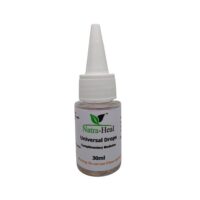 Universal DropsR80.00
 -
 Tissue Salt No. 8 (Mag phos)R80.00
 -
 Tissue Salt No. 6 (Kali phos)R80.00
 -
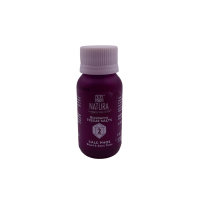 Tissue Salt No. 2 (Calc phos)R80.00
 -
 Cell Oxygen Assist CapsulesR105.00
 -
 Omega 3 CapsulesR295.00
 -
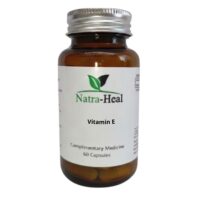 Vitamin E CapsulesR130.00
 -
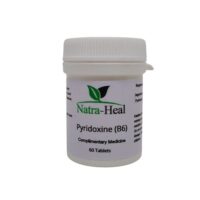 Pyridoxine (B6) TabletsR50.00
 -
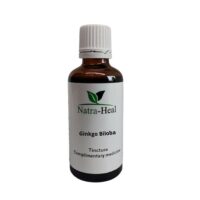 Ginkgo Biloba TinctureR88.00
 -
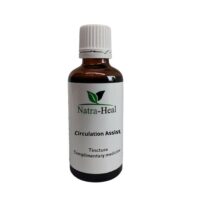 Circulation Assist TinctureR88.00
 -
 Circulation Assist CapsulesR110.00
 -
 Buffered Vitamin C CapsulesR80.00
