

Myelofibrosis (MF) is a rare type of blood cancer characterized by the formation of scar tissue in the bone marrow. This scarring disrupts the normal production of blood cells, leading to various health issues. It is classified as a myeloproliferative neoplasm (MPN), which means the body produces too many abnormal blood cells.
Symptoms:
- Symptoms of myelofibrosis can vary and may include:
- Fatigue and weakness
- Anemia (low red blood cell count)
- Enlarged spleen (splenomegaly)
- Bone pain
- Easy bruising or bleeding
- Night sweats and fever
- Unexplained weight loss
- Some individuals may remain asymptomatic for years.
Treatments:
7-Day Natural Myelofibrosis Support Protocol
Daily Principles
- Stay well-hydrated (1.5–2 liters water/day).
- Avoid processed foods, refined sugar, and excessive red meat.
- Focus on anti-inflammatory, antioxidant, and mild anti-platelet foods.
Morning
- Warm water with lemon – helps digestion and alkalinity.
- Ginger & Turmeric Tea
- 1 tsp fresh grated ginger
- ½ tsp black pepper (for absorption)
- Simmer 5–10 min; drink before breakfast
- Supplements
- Omega-3: 1–2 capsules per day
- Magnesium Glycinate: 1 capsule per day
- Vitamin K2 & D3: 1 – 2 tablets per day (depending on deficiency status)
- Curcumin: 1 capsule twice per day
Breakfast
- Berry & Flax Smoothie
- ½ cup blueberries or mixed berries
- 1 tbsp flaxseed or chia seeds
- 1 cup unsweetened almond or oat milk
- Optional: small pinch cinnamon
Midday
- Light lunch with platelet-supportive foods
- Mixed greens (spinach, arugula)
- ½ cup cruciferous vegetables (broccoli, cauliflower, lightly steamed)
- 1 tsp garlic or fresh herbs (parsley, cilantro)
- 1–2 tsp olive oil
- Ginkgo Biloba tincture: 20 drops in a little water
Afternoon
- Snack: Handful of walnuts or almonds
- Optional: fresh fruit (orange, grapefruit, apple)
Evening
- Dinner
- Lean protein: fish (salmon, sardines) or plant-based protein
- Steamed vegetables (zucchini, carrots, peppers)
- 1 tsp turmeric or garlic added to cooking
- Herbal support:
- Ginkgo Biloba
Other Supportive Measures
- Gentle exercise: walking or stretching 20–30 min/day
- Reduce stress: meditation, deep breathing, or light yoga
- Avoid high-dose aspirin or NSAIDs unless prescribed
- Track platelet counts regularly
Nutrients and supplements:
Summary of Key Natural Agents
| Agent | Role |
| Garlic | Mild platelet inhibition |
| Ginger | Anti-inflammatory, reduces platelet clumping |
| Turmeric/curcumin | Anti-inflammatory, anti-platelet support |
| Omega-3 | Anti-platelet, cardiovascular support |
| Ginkgo biloba | Reduces platelet stickiness |
| Flaxseed & Berries | Antioxidants, anti-inflammatory |
Tip: The key is consistency with anti-inflammatory foods, gentle anti-platelet herbs, and cardiovascular support. Platelet-lowering effects are gradual.
Causes:
The exact cause of myelofibrosis is often unknown, but genetic mutations are commonly involved. Key mutations include:
- JAK2: Found in about half of patients.
- CALR and MPL: Other mutations associated with the disease.
Risk factors include:
- Age (most commonly diagnosed in individuals over 50)
- Previous blood disorders (like PV or ET)
- Exposure to certain chemicals (e.g., benzene) or radiation.
Remedies:
-
 Magnesium Glycinate CapsulesR105.00
 -
 Curcumin CapsulesR255.00
 -
 Crede Cold-Pressed Flaxseed Oil 250mlR65.00
 -
 Omega 3 CapsulesR295.00
 -
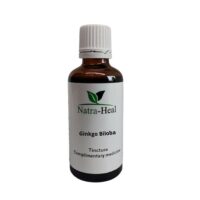 Ginkgo Biloba TinctureR88.00
